Most Alaska cruise packing lists are padded. They tell you to bring things you’ll never touch, skip the stuff that actually matters, and leave you either overpacked or standing on a windy deck wishing you’d brought a real jacket. This one’s built the other way around: what you genuinely need, what to leave home, and why.
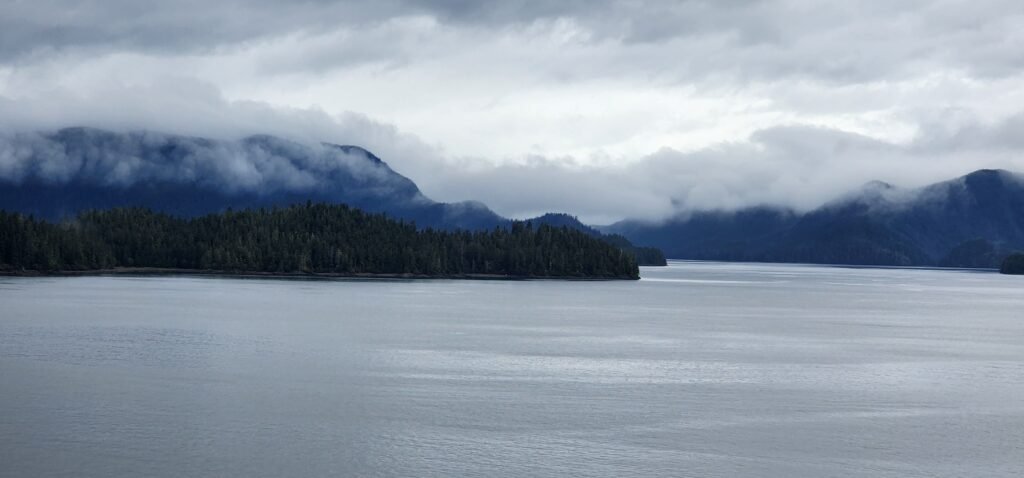
Here’s the truth that makes the whole list make sense — Alaska isn’t frigid, but it is wet. Southeast Alaska, where your ship spends most of its time, is a temperate rainforest. Summer temperatures along the Inside Passage are milder than most people expect: daytime highs run from the mid-50s in May and September up to the mid-60s in July, with lows around 40–50°F. You are not packing for the Arctic. You’re packing for cool, damp, changeable weather that can swing from sun to drizzle to sun again in an afternoon.
If you get one thing right, get this: layering beats bulk. A single heavy coat is the wrong tool. Three light layers you can add and shed as the day changes is the right one.
Grab the printable version. This whole list — plus the port-day and excursion extras — is in our free Alaska Packing Checklist, formatted to check off as you pack. Get it here.
The layering system (this is the whole game)
Every reliable Alaska packing strategy comes down to three layers:
- Base layer — a lightweight moisture-wicking top (merino wool or synthetic, not cotton). Cotton holds water and gets cold; wool and synthetics keep you warm even damp. This is your “next to skin” layer for cool mornings and glacier days.
- Mid layer — a fleece or light insulated pullover for warmth. Easy to pull on and off as the temperature moves.
- Outer shell — a genuinely waterproof (not just “water-resistant”) jacket. This is the single most important item you’ll bring. On rainy port days and windy deck days it’s the difference between enjoying Alaska and enduring it.
That’s the engine. Everything else on this list supports it.
A quick note on our packable layering basics: merino or synthetic base layers and a light fleece pack down small and do the heavy lifting for the entire trip. You don’t need a suitcase full of sweaters — two or three good layers you actually rotate beats ten you don’t.
The non-negotiables
These earn their place in every single Alaska cruise bag:
- Waterproof rain shell (jacket). Fully waterproof, with a hood. If it says “water-resistant,” it will soak through. See our rain gear picks.
- Waterproof or water-resistant pants — or at minimum quick-drying pants, not jeans. Jeans soak through and stay wet for hours. If you’re doing any outdoor excursion (and you should — here are the ones worth booking), waterproof pants are worth the space.
- Comfortable waterproof walking shoes — you’ll be on wet docks, gravel trails, and rainy streets. Broken-in, grippy, and able to handle a puddle.
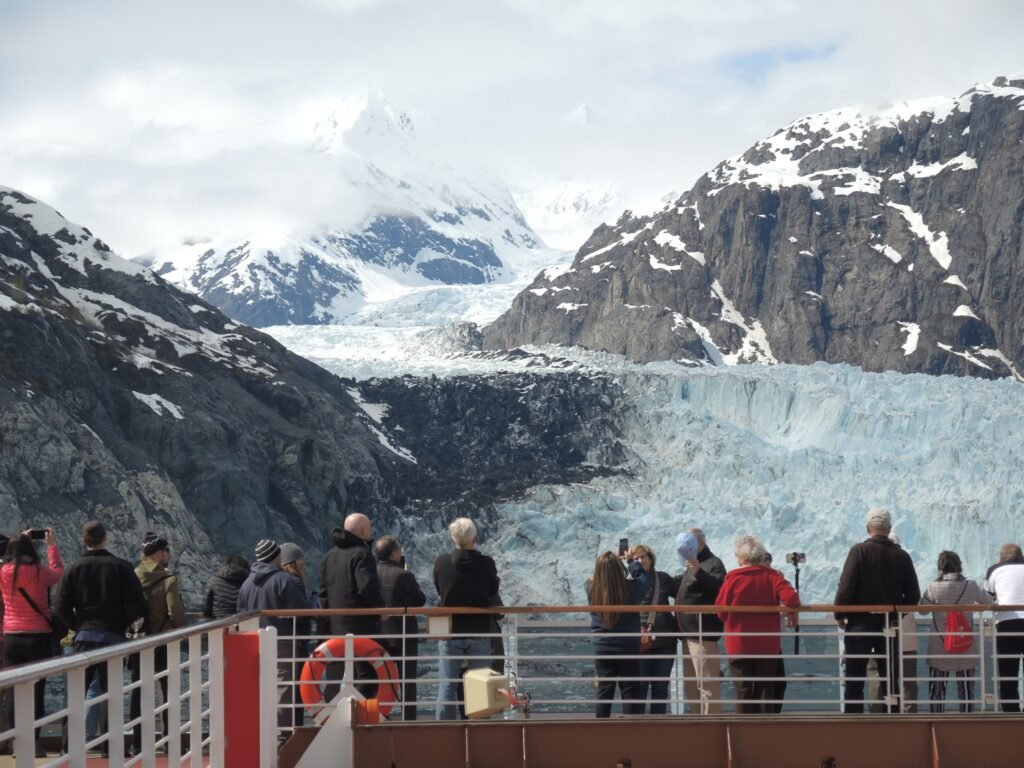
- Warm hat and light gloves. Not for winter — for the decks. On glacier-viewing days, wind chill on the upper deck can make it feel 10 to 15 degrees colder than the actual temperature. A hat and gloves turn a miserable 20 minutes at the rail into a comfortable hour. (More on that in our glacier-viewing guide.)
- A packable daypack for port days — room for your shell, water, snacks, and camera.
For the wildlife and the views
This is Alaska — the scenery is the trip, and a little gear makes it dramatically better:
- Binoculars. The most underrated item on any Alaska cruise. Whales, bears on the shoreline, eagles, mountain goats — half of what makes Alaska special is happening a few hundred yards away, and the naked eye misses it. A single decent pair per couple is enough; a pair per person is better. See our binocular picks. (Traveling with kids? Binoculars are also the single best boredom-killer during wildlife watching.)
- A real camera or a charged phone with storage cleared. You will take more photos than you expect. Bring a power bank.
- Sunglasses and sunscreen. Counterintuitive, but June and July deliver 17–18+ hours of daylight, and glare off water and ice is real.
Onboard and practical
- One “dressy casual” outfit. Alaska cruising is famously relaxed — you do not need formalwear the way you might on a Caribbean sailing. One nicer outfit covers any dressier dining night; leave the tux and the gown home.
- Motion-sickness remedy (tablets or bands), just in case. The Inside Passage is unusually calm because it’s sheltered, so most people are fine — but open-water stretches (like crossing the Gulf of Alaska on one-way itineraries) can be rougher. Cheap insurance.
- Reusable water bottle, basic medications and toiletries, and any chargers/adapters.
- A small dry bag or zip-top bags to keep your phone and camera dry on rainy excursions.
What to leave home (the overpacking trap)
Just as important as what to bring:
- A heavy winter parka. Overkill for summer Alaska. Your three-layer system handles everything the cruise season throws at you.
- Bear spray. You’re visiting port towns and guided excursions, not backcountry hiking solo. You almost certainly won’t need it, and you can’t fly with it or carry it aboard anyway.
- Formalwear. As above — Alaska sailings lean casual. One nice outfit is plenty.
- A different outfit for every day. You’ll live in the same few reliable layers. Pack for rotation, not for a fashion show. Ships have laundry.
- Umbrellas (mostly). Alaskans don’t use them — it’s too windy, and a hooded shell keeps your hands free for railings and cameras. Skip it.
Pack for your ports and your month
Two things shift the list slightly:
Your ports. Rain isn’t evenly spread. Ketchikan is one of the rainiest places in the United States (nearly 150 inches a year), Juneau is wet too, and Skagway sits in a rain shadow and is comparatively dry. You can’t control your itinerary’s weather, but knowing Ketchikan will likely be wet means your rain shell earns its keep. (Our ports guide breaks down each stop.)
Your month. May and early June are the driest; August and September are the wettest, with September the rainiest of the season. Later sailings mean leaning harder on waterproofs. If you haven’t locked your dates, our best-time-to-cruise guide walks through the tradeoffs.
The old Alaska saying holds: there’s no bad weather, only bad gear. Pack the shell, pack the layers, and the rain becomes part of the scenery instead of the thing that ruins your day.
Put it all together
Everything above — organized by category, with the port-day and excursion add-ons — lives in two places:
- The free Alaska Packing Checklist: a printable, check-as-you-go version you can pack straight from.
- The Alaska Cruise Planner: if you’d rather keep packing, ports, excursions, and budget in one organized place instead of scattered across tabs and sticky notes, the planner folds this list into a 25-tab trip system covering budget, itinerary, and packing. One-time, and updated for free as things change.
Get the layers right, keep a waterproof shell within reach, and Alaska takes care of the rest.
Some links on this page are affiliate links. If you buy through them, we may earn a small commission at no extra cost to you — it helps keep DreamTrip Daily’s guides free and honest. We only recommend gear we’d actually pack.
Part of the Alaska Cruise Planning Guide — see all 12 posts in order →