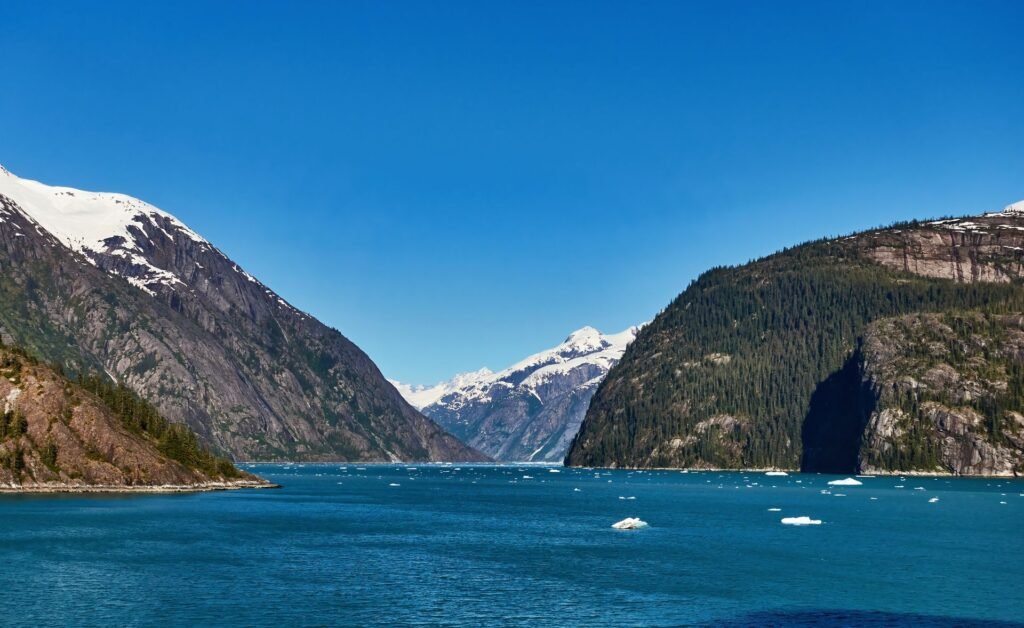
There is no single best time to cruise Alaska — and any guide that gives you one month without asking what you care about is selling something. The Alaska cruise season runs roughly May through September, and each month trades weather, crowds, price, and wildlife against each other. The “best” month is the one whose tradeoffs match your priorities.
Here’s the honest quick answer before the details:
- Best weather: late June through mid-July — warmest days, longest light.
- Least rain: May and early June — the driest stretch of the season.
- Best value: early May or September — lowest fares, fewest crowds.
- Best wildlife (bears): August — peak salmon runs, peak bear activity.
Two things stay true no matter which month you pick: it will probably rain at some point, and the decks get cold from wind chill even on mild days. Plan your dates around what matters most to you, then pack for the weather (our Alaska cruise packing list handles that part).
May — quiet, dry, and cool
May is Alaska’s shoulder season, and it’s underrated. Daytime highs sit in the mid-50s with lows in the 40s, and it’s typically the driest month of the season. You’ll get around 18 hours of daylight, snow still clinging to the peaks, and noticeably fewer ships and lower fares than mid-summer.
Wildlife is waking up: humpback whales are returning to the Inside Passage, and the landscape has that fresh, spring-green look. The tradeoff is temperature — it’s the coolest of the sailing months, and a few tour operators and seasonal businesses haven’t fully opened yet.
Best for: budget-conscious travelers, anyone who prefers dry-and-cool over warm-and-wet, and people who want smaller crowds.
June — the best time to cruise Alaska for most first-timers
June is where Alaska hits its stride. Temperatures warm into the 50s and 60s, daylight peaks near the solstice at up to 19 hours, and rainfall is still relatively low compared to late summer. It’s the month most first-time cruisers are happiest with, because it balances comfortable weather, long days, and strong wildlife viewing without the wettest conditions.
Whales are active, salmon runs are beginning to gather, and bears are growing more visible along riverbanks. Crowds are building toward peak but haven’t hit it yet.
Best for: first-timers who want the safest all-around bet, and anyone chasing maximum daylight.
July — warmest and most popular
July is the warmest month, with highs in the mid-60s (and some ports touching 70°F) and 18-plus hours of daylight. It’s also the busiest and most expensive — peak season in every sense. If your priority is the most comfortable weather and the widest choice of excursions, July delivers.
The tradeoff is crowds and price: expect fuller ports, higher fares, and excursions selling out earlier (book the good independent tours well ahead — here’s how to choose them). Salmon runs are underway and bears are increasingly active.
Best for: travelers who want the best odds of warm, bright weather and don’t mind paying peak prices for it.
August — wildlife and moody beauty
August stays nearly as warm as July (highs around 63°F, lows near 49°F), but the rain steps up noticeably — expect wet stretches more days than not, especially in Ketchikan and Juneau. Don’t let that scare you off. August rain tends to come in waves rather than all-day downpours, and the scenery arguably benefits: fall color starts creeping down the mountainsides and overcast skies give glaciers a dramatic, moody look.
This is the month for wildlife. Salmon runs are in full swing and bears are feeding hard before winter, making July and August the peak for bear viewing along the Inside Passage. Whales remain active.
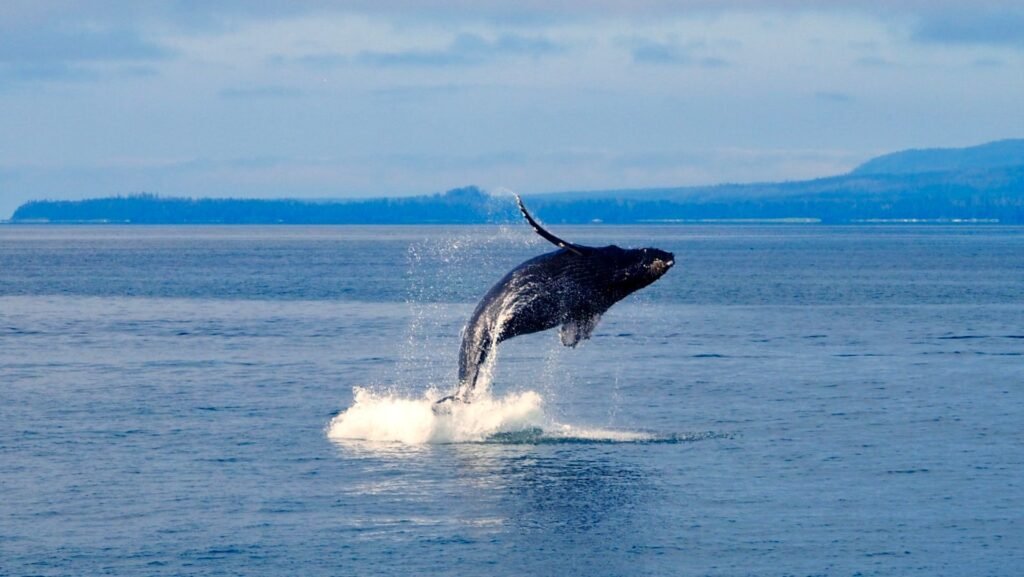
Best for: wildlife-focused travelers, photographers who like dramatic light, and anyone whose top goal is seeing bears.
September — cheapest, quietest, and rainiest
September closes the season. Highs slide into the low-to-mid 50s, the days shorten, and it’s the rainiest month of the cruise season. In exchange, you get the best prices (often 30–40% below peak), the fewest crowds, fall color across the hillsides, and a real chance at the northern lights in the darker evenings.
The catches: pack seriously for rain and cool, some operators start closing after the first week, and many ships wrap their Alaska season by mid-month. If you go late, confirm your excursions are still running.
Best for: value hunters, shoulder-season travelers who want solitude and color, and aurora chasers.
The two things every month has in common
Whatever you pick, plan around these:
Rain. Southeast Alaska is a temperate rainforest, and rainfall isn’t evenly spread. Ketchikan is one of the rainiest places in the U.S. (about 149.5 inches a year), Juneau is wet too, and Skagway sits in a rain shadow and stays comparatively dry. Excursions run rain or shine — the weather only ruins the day if your gear does. (Port-by-port detail is in our Alaska cruise ports guide.)
Wind chill on deck. Even on a mild afternoon, standing at the rail for glacier viewing can feel 10–15°F colder than the air temperature. A hat, gloves, and a windproof shell make those once-in-a-lifetime moments comfortable instead of something you cut short. (More in our glacier-viewing guide.)
Weather vs. price: the real tradeoff
Zoom out and the season is basically a curve. Peak weather (late June–July) lines up with peak crowds and peak fares. The shoulders (May, early June, September) trade a little warmth and daylight for meaningfully lower prices and quieter ports. There’s no wrong answer — just the version that fits your budget and your tolerance for rain and cool. (We break down what a sailing actually costs in our Alaska cruise cost guide.)
Once you’ve got a month in mind, you can compare current Alaska sailings and fares here and see how pricing shifts across the season.
Lock your month, then plan the rest
Picking your month is step one. From there it’s cabin choice, ports, excursions, and packing — and it’s easy to lose track of it across a sprawl of browser tabs. Our Alaska Cruise Planner puts all of it in one place — 25 organized tabs covering budget, itinerary, ports, and packing — updated free as prices and seasons shift. And whenever you’re ready, the full Alaska Cruise Planning Guide ties the whole trip together.
Pick the month that fits your priorities — not the one a brochure told you was best — and Alaska rewards you in every one of them.
Some links on this page are affiliate links. If you buy through them, we may earn a small commission at no extra cost to you — it helps keep DreamTrip Daily’s guides free and honest.
Part of the Alaska Cruise Planning Guide — see all 12 posts in order →