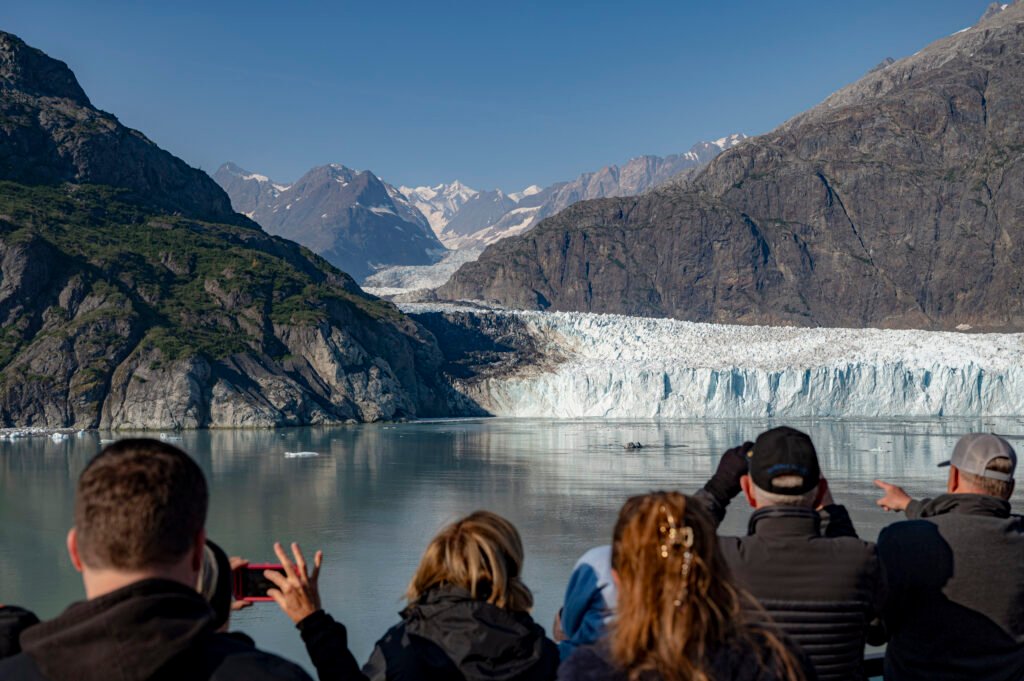
An Alaska cruise takes more planning than a Caribbean one — the weather, the itineraries, the glacier days, and the excursions all have quirks that catch first-timers off guard. The good news: the most common Alaska cruise mistakes are easy to avoid once you know they’re coming. Here are the ten that cost people the most, and how to sidestep each.
1. Assuming you must book a balcony
The most repeated piece of Alaska advice is “always get a balcony,” and it leads people to overspend without thinking. A balcony is genuinely nice here — private, rain-sheltered scenery — but it’s a choice, not a requirement. It faces only one direction (you’ll miss whatever’s on the other side), and the ship’s top decks give better, free, panoramic views on glacier day. Decide deliberately based on your budget and how you’ll actually spend your time. (Here’s the honest balcony math.)
2. Booking excursions through the cruise line — and waiting too long
Two mistakes in one. Booking off the ship’s excursion desk usually costs noticeably more for the exact same tour, because the cruise line is a marked-up middleman. And waiting until you’re onboard to book means the best tours — whale watching, the White Pass railway, flightseeing — are often sold out weeks or months ahead. Research the must-dos before you sail and book them early, independently, with an on-time-return guarantee. (How to do it right.)
3. Not actually reading the itinerary
Not every Alaska cruise is the same trip. Some include a full glacier day; some include none. Some visit Glacier Bay; many don’t. Most stop in Ketchikan, but a few skip it. Before you book, read the itinerary line by line and confirm it includes the glacier (Glacier Bay vs. the others) and the ports (ports guide) you actually care about. “Scenic cruising” without a named glacier is a yellow flag.
4. Only considering a round-trip itinerary
Round-trips from Seattle or Vancouver are simpler for flights, so most first-timers default to them — and never weigh the alternative. A one-way (cross-Gulf) cruise between Vancouver and Anchorage-area ports reaches more remote scenery like Hubbard Glacier and College Fjord, and it pairs naturally with a Denali land extension. It costs a bit more in airfare, but it’s often the richer trip. At least compare the two before defaulting. (Cruise vs. land tour breaks it down.)
5. Packing like it’s Antarctica
This is the sneaky one. Alaska sounds frigid, so people cram in parkas and heavy sweaters — then discover a 70°F afternoon in Juneau and spend the trip overheating. Summer Alaska can genuinely be warm. Pack the layering system (base + fleece + waterproof shell), skip the extreme-cold gear, and throw in one warm-weather outfit and a swimsuit — soaking in a hot tub with a glacier view is a real thing. The one non-negotiable is a truly waterproof shell, because it will rain. (Full packing list.)
6. Underestimating the all-in cost
The “$699 cruise” is a trap not because it’s fake, but because it’s only the base fare. Excursions are the budget-killer — Alaska tours run $150–$300, and the big-ticket ones (helicopter, flightseeing) $300–$800 each — and the whole trip runs roughly double a comparable Caribbean sailing once you add airfare, gratuities, and drinks. Budget the full number up front so there are no checkout surprises. (Here’s the real cost breakdown.)
7. Arriving the same day — and skipping pre/post-cruise time
Alaska is a long way to travel, and flying into your departure port the same day the ship sails is asking for trouble; one delayed flight and you’ve missed the cruise. Fly in at least a night early. And since you’ve come all this way, consider a day or two before or after to actually see the embarkation city or extend into the interior. Book your pre-cruise hotel early and grab a refundable rate.
8. Skipping travel insurance
For a once-in-a-lifetime, expensive, remote trip, going without travel insurance is a gamble people regret. A pre-trip illness, a delayed flight, or a medical issue at sea can cost far more than a policy. Look for coverage that includes trip interruption and medical, and buy it early (many benefits key off your booking date). SafetyWing is a straightforward place to start.
9. Missing the naturalist and ranger talks — and the deck on glacier day
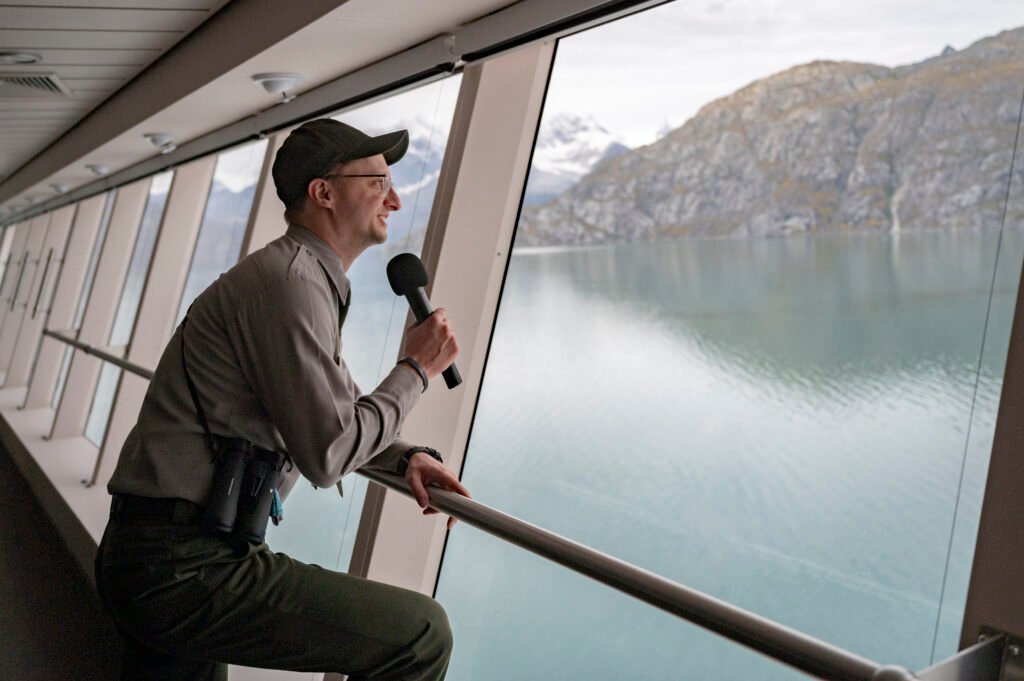
Alaska cruises bring naturalists onboard, and in places like Glacier Bay, National Park rangers board to narrate the day. Even if you normally skip onboard seminars, don’t skip these — they turn scenery into understanding. And on glacier morning, be outside. The ship cuts its engines and rotates in front of the ice; the people who sleep in or stay at the buffet miss the single best moment of the trip.
10. Picking the line for the ship, not the trip
With new lines entering Alaska, it’s tempting to choose based on go-karts and waterslides. That’s fine if onboard fun is your priority — but in Alaska, your line also dictates your glacier access and how the destination is delivered (ranger programs, naturalists, local food). Pick the line that matches how you want to experience Alaska, not just the flashiest ship. (Line-by-line comparison.)
The one lesson underneath all ten
Every mistake here comes down to the same thing: Alaska rewards planning more than almost any cruise destination, and punishes autopilot. Read the itinerary, book early, pack smart, and budget the whole number — and the trip delivers.
That’s exactly what our Alaska Cruise Planner is built to prevent — itinerary, ports, excursions, packing, and budget organized across 25 tabs so nothing slips through. It’s part of the full Alaska Cruise Planning Guide, and when you’re ready to book, you can compare current Alaska sailings here.
Avoid these ten, and your first Alaska cruise won’t need a “next time I’d do it differently” list.
Some links on this page are affiliate links. If you book through them, we may earn a small commission at no extra cost to you — it helps keep DreamTrip Daily’s guides free and honest.
Part of the Alaska Cruise Planning Guide — see all 12 posts in order →